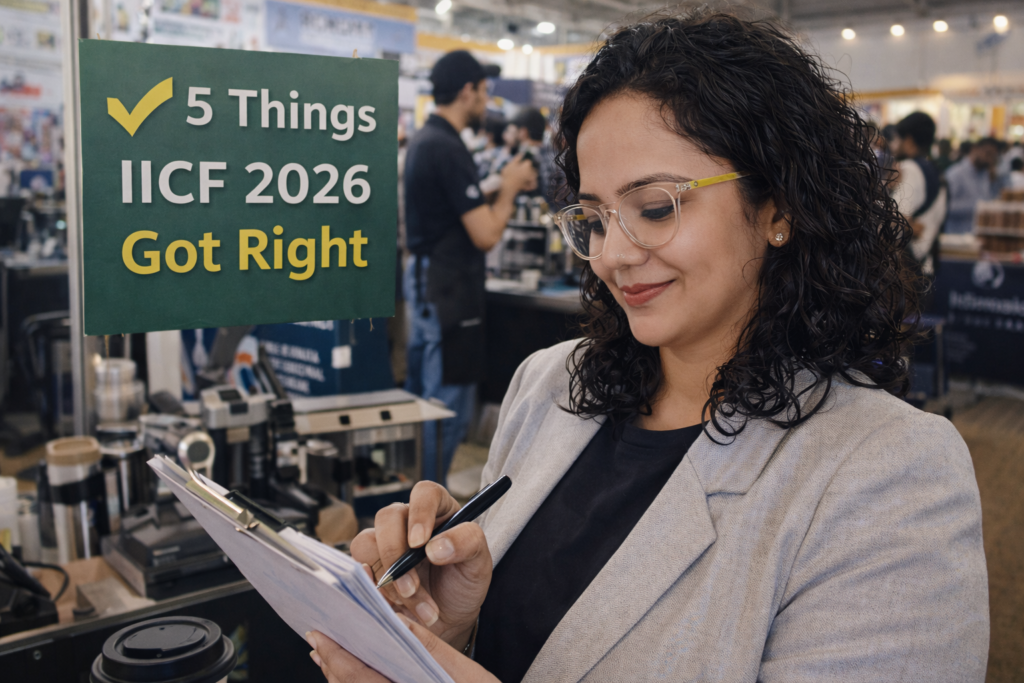
This February, Bengaluru welcomed the second edition of the India International Coffee Festival — a celebration of coffee’s journey from farm to cup. For three days (12–14 Feb), Chamara Vajra turned into a buzzing hub of brews, workshops, competitions, brands, and conversations that captured the heartbeat of India’s coffee community.
India International Coffee Festival 2026 wasn’t just an event. It was a movement. And here’s what stood out.
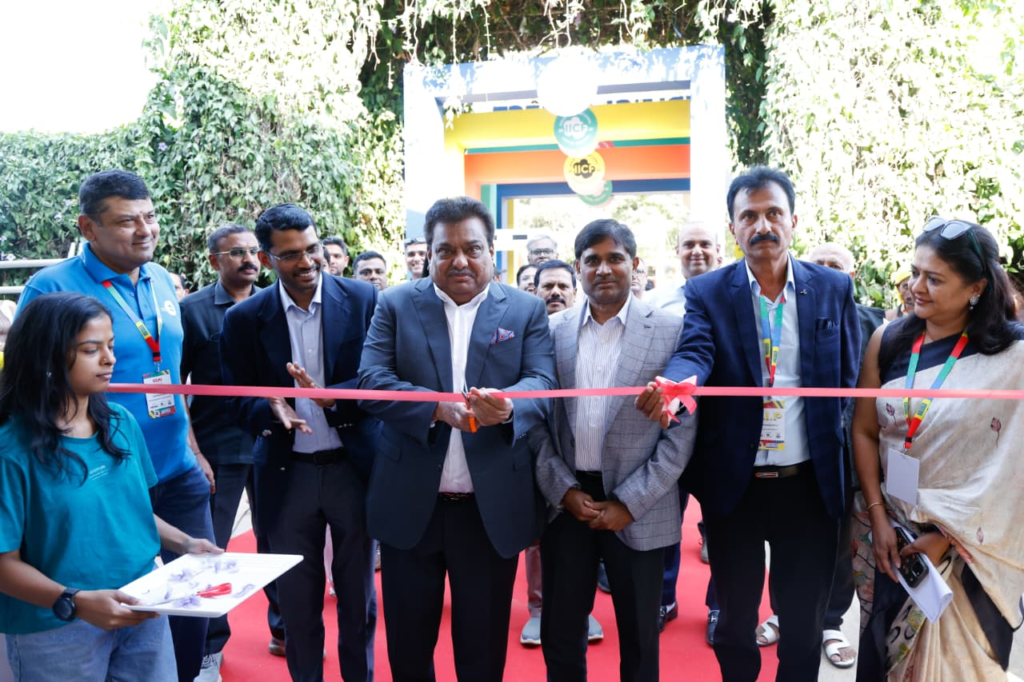
What IICF 2026 Got Right
1. Workshops & Panel Discussions Added Depth
IICF 2026 wasn’t just about tasting. It was about thinking.
Workshops covered brewing techniques, sensory skills, roasting fundamentals, and home brewing methods. Beginners felt included. Professionals found value.
Panel discussions opened up bigger conversations — sustainability, market growth, consumer awareness, and the future of Indian specialty coffee. These sessions brought voices from across the value chain into one room.
Education didn’t feel like a side activity. It felt central.
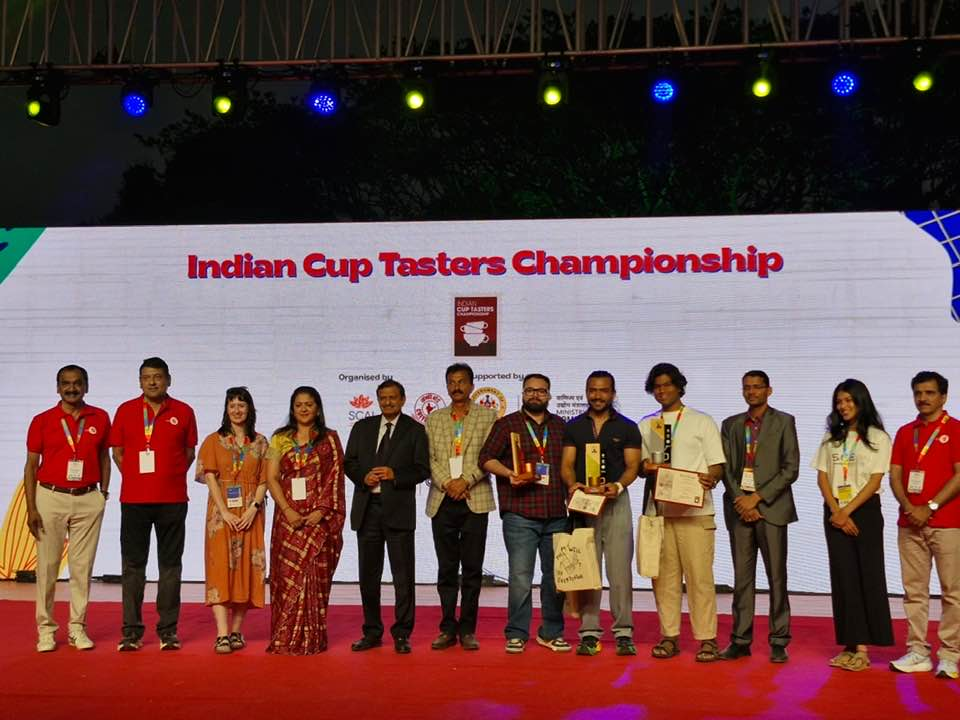
2. Championships Elevated Craft
Live competitions added excitement and showcased skill. National Barista, Brewers Cup, Latte Art, Cup Tasters, Coffee in Good Spirits, and even an Instant Coffee Championship powered by NESCAFÉ, gave baristas and brewers a stage to perform, compete, and innovate. These formats honoured both precision and creativity.
3. Diversity of Experiences
IICF wasn’t just about coffee tasting. There were tasting zones with rare blends, open cupping sessions that highlighted unique regional coffees, networking spaces, and a lively exhibition floor with 70+ brands and 20,000+ visitors. The festival balanced learning with fun, even adding music and performances.
4. Farm-to-Cup Narrative Made Visible
For many, one of the strongest takeaways was seeing the coffee journey materialise: from growers and roasters to brewing and serving. It wasn’t abstract — it was real, honest, and traceable.
5. Community Energy Was Genuine
Conversations were as rich as the coffee. Whether at brew bars, brand stalls, or cupping tables, the festival felt like a shared exploration rather than a sales floor.
Where the Festival Can Improve
IICF 2026 showed progress. But growth must come with direction. Here are three gaps the Indian coffee ecosystem still needs to address.
1. Farmer Visibility Needs a Stronger Spotlight
Farm-to-cup stories must go deeper.
Producers deserve more than a mention on packaging or a slide in a presentation. They deserve stage time. They deserve visibility in panels. They deserve structured storytelling.
When farmers become central to the narrative — not peripheral — consumers connect differently. And value perception shifts.
2. Specialty Must Move Beyond Metros
Specialty coffee still feels urban-centric.
Most conversations, activations, and awareness campaigns revolve around metro cities. But Tier 2 and Tier 3 cities are evolving fast. Consumers are curious. Cafés are emerging. Home brewers are experimenting.
The next wave of growth lies beyond metro boundaries. Outreach, education drives, and regional engagement can unlock that potential.
3. Marketing & Branding Need Encouragement
Exceptional coffee exists in India. But it doesn’t always reach the masses.
Many producers and small roasters focus deeply on quality — but lack structured marketing support. Stronger storytelling frameworks, clearer positioning, and collaborative branding initiatives can make specialty coffee more accessible and aspirational.
Good coffee should not feel intimidating. It should feel inviting.
Final Thoughts
India International Coffee Festival 2026 proved that Indian coffee culture is maturing, expanding, and becoming more collaborative. It wasn’t a show about coffee only — it was about community, craft, education, and possibility.
For Curly Brew, experiences like these reaffirm our purpose: to share stories that matter, spotlight craft that inspires, and bridge gaps between growers, roasters, baristas, and lovers of coffee.
This festival was a milestone. But the journey — like great coffee — continues.
What do you think Indian coffee needs most right now? Visibility, education, marketing, or policy support?
Let’s talk.


A lot of youngsters don’t even know that coffee is celebrated on such a large scale or you could make a career out of it.
Indian Coffee needs more visibility and education . I hadn’t even heard of Speciality Coffee until IICF.
Speciality Coffee is still a buzzword, not a household name.
The best way to reach the masses is through the youth, there is a lot of marketing required to reach the youth. Most coffee is aimed at working professionals.
Another interesting thing I heard at a panel discussion was it’s difficult to implement the “grab and go” culture in India.
Maybe that’s not a bad thing after all, for coffee isn’t just a beverage, it’s a way to form community.
I see coffee as a staple among co-working spaces and cafes where people connect over shared love for a beverage.
Coffee becomes a background noise people feel comfortable having.
In my opinion, Coffee could also explore different forms like boba which could increase its reach to the masses.
Thank you for such a thoughtful perspective.
You’re absolutely right — awareness is still the biggest gap. Many youngsters don’t realise coffee can be a serious career path, and “specialty coffee” is still more of a buzzword than a household name.
Reaching the youth requires a different kind of storytelling and marketing. And while “grab and go” may be challenging in India, our strength lies in coffee as community — cafés, co-working spaces, conversations.
Exploring new formats could help expand reach, but without losing the essence of quality and origin. These are the conversations that will shape the future of Indian coffee.
You are absolutely right indian coffee today indian speciality coffee have made a name in metros and internationally as well but it lack its presence in one of the major high spending population of tier 2 towns, in north india these towns are looking to have speciality coffee or big brands in coffee
And the young generation in India is looking at coffee as a healthy beverage in all sector of India so reach, visibility and right marketing should be focus for indias speciality coffee with in country
Thank you for sharing such a sharp observation — you’ve highlighted a very important shift.
Indian specialty coffee has definitely built strong momentum in metros and international markets, but Tier 2 cities — especially in North India — represent a massive untapped opportunity. The aspiration is there. The spending power is there. The curiosity among young consumers is definitely there.
As you rightly said, the new generation sees coffee not just as a beverage, but as a lifestyle and even a healthier alternative in many contexts. What’s needed now is deeper reach, stronger visibility, and culturally relevant marketing within India itself.
This is exactly where the next growth wave of Indian specialty coffee lies. Appreciate you adding this perspective to the conversation!
What a powerful recap! Reading this made me reflect on how much potential Indian coffee has — not just in metros but across emerging towns and communities. I’m glad the industry is now talking about gaps like accessibility and youth engagement. As someone who drinks coffee every day, I’d love to see more storytelling around origin, farmers, flavours, and culture. Great work bringing these conversations to light!
We truly appreciate this perspective. Conversations around accessibility, youth engagement, and origin storytelling are crucial right now. At Curly Brew, we believe that when coffee lovers understand the journey from farm to cup, the industry grows stronger. Thank you for being part of this dialogue
Absolutely loved this review! As a coffee lover, attending IICF through your coverage made me realise how deep and diverse the Indian coffee ecosystem really is. The insights on sustainability, speciality trends, and the need for wider awareness struck a chord. I agree that more education and visibility — especially among young coffee drinkers — will help speciality coffee become truly mainstream. Excited to see what’s next for Indian coffee!
Thank you so much for your kind words. It means a lot to know that the review helped you see the depth and diversity of the Indian coffee ecosystem. That’s exactly why we write — to bridge the gap between the industry and coffee lovers. The future of Indian coffee depends on informed, curious consumers like you.