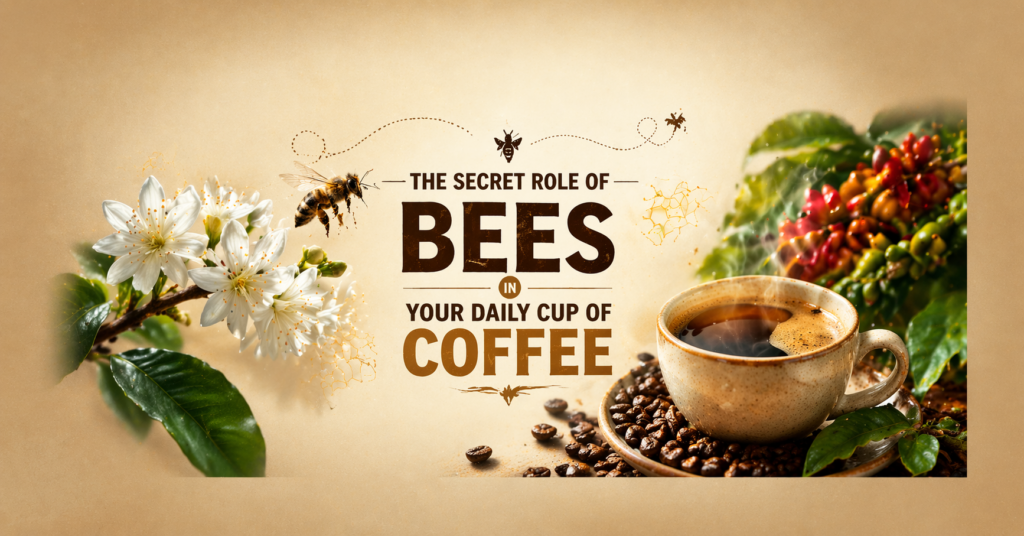
There’s No Life Without Bees — And I Experienced It Firsthand
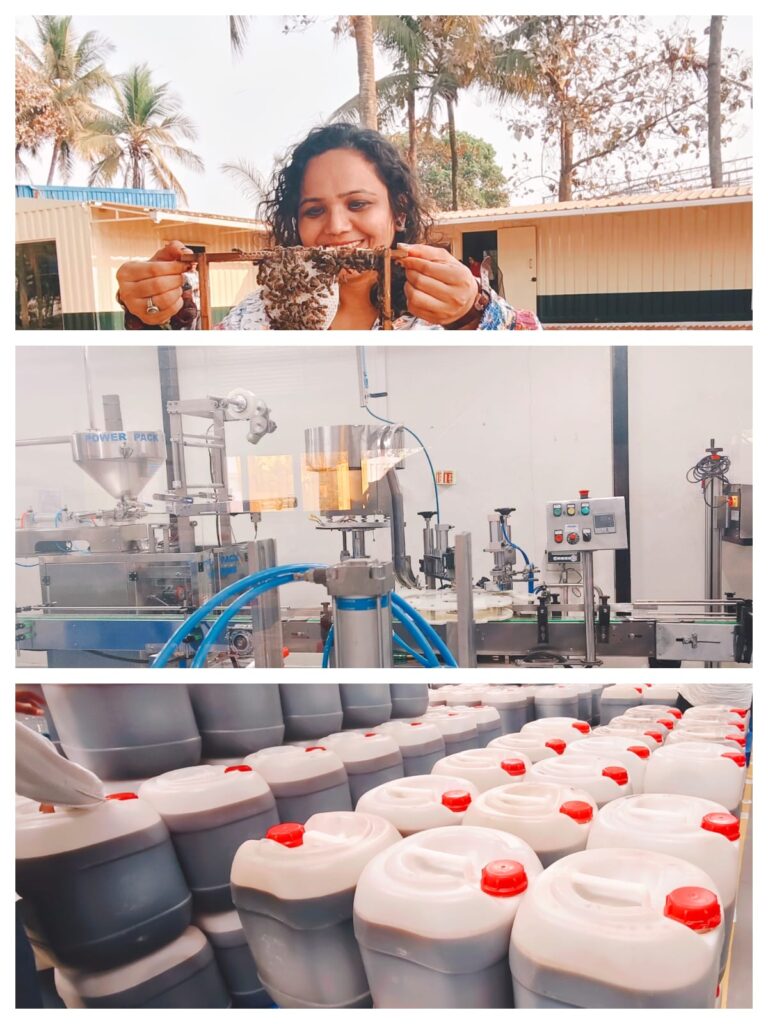
Last month, I attended a beekeeping workshop organized by HoneyDay Bee Farms. What started as curiosity turned into a powerful realization:
There is no life on Earth without bees.
From beekeeping basics to honey tasting, every moment deepened my understanding of nature. But the biggest insight was unexpected—
Bees play a critical role in the coffee we drink every day.
What Science Says About Bees and Agriculture
Bees are not just important—they are essential.
According to the Food and Agriculture Organization (FAO):
“Pollinators such as bees affect 35% of global agricultural land, supporting the production of 75% of the world’s food crops.”
This means that without bees, a significant portion of our food system—including coffee—would be at risk.
☕ The Science Behind Bees and Coffee Pollination
Coffee plants (especially Arabica) are self-fertile. But research shows that bee pollination significantly improves both yield and quality.
A widely cited study published in Proceedings of the Royal Society B found that:
- Bee pollination increased coffee fruit set by over 50%
- Yield improved by 20–25%
- Beans were more uniform in size and better in quality
Another study by researchers at University of Göttingen observed:
“Coffee plants visited by bees produce heavier berries and fewer defective beans.”
Why Bees Improve Coffee Quality
Here’s what happens when bees are involved:
- 🌼 Better pollination → More complete fertilization
- 🍒 More uniform cherries → Better roasting consistency
- ☕ Improved flavor complexity → Higher cup quality
This directly impacts what we taste in our cup.
Expert Insight
According to research highlighted by The Coffee Quality Institute:
“Pollination by bees contributes not only to higher yields but also to improved cup quality, which directly affects farmer income.”
This is crucial.
Better quality coffee = better prices = better livelihoods for farmers.
The Bigger Crisis: Declining Bee Populations
While bees are essential, they are also under threat.
The Intergovernmental Science-Policy Platform on Biodiversity and Ecosystem Services reports:
Around 40% of pollinator species are at risk of extinction; Key reasons include:
- Pesticide use
- Climate change
- Habitat loss
Why This Matters for the Coffee Industry
For coffee producers and consumers alike, this is not just environmental—it’s economic.
If bee populations decline:
- Coffee yields may drop
- Quality may suffer
- Prices may rise
- Farmer incomes may become unstable
💭 My Personal Reflection
Before attending this workshop, I saw coffee as a journey from farm to cup.
Now, I see it differently.
It begins much earlier—with a flower, a bee, and a delicate ecological balance.
Standing there, watching bees up close, tasting honey, and understanding their role, I realized:
Every cup of coffee carries a story we rarely acknowledge.
A story of nature, balance, and silent contributors.

Final Thought
The next time you sip your coffee, remember—
It’s not just about beans, brewing, or baristas.
It’s also about bees.
Because truly,
Behind every cup of coffee is a hand, a heart, a hope… and a bee.




True beesBees are truly natures food producer
And actually coffee and coffee industry also helps giving a good eco system for them
Most of the coffee around the world are part of rain forest belt aka rain forest alliance with represents multi variety plants and trees, less pesticides and forest like wild environment
Coffee flower is white in colour and Most pollinator are not attracted to colour white
But coffee flower attracts them by the smell identical to Jasmin
Coffee and Bees are supporting each other better then any other crop
Absolutely love this perspective—so beautifully put
You’re right, bees are truly nature’s food producers, and coffee plays a much bigger role in supporting them than most people realize.
Coffee farms—especially shade-grown ones in rainforest belts—create a rich, biodiverse ecosystem. With multiple plant species, minimal pesticide use, and a forest-like environment, they become a safe haven for pollinators.
And that detail about coffee flowers is fascinating 🤍
Though they’re white, their jasmine-like fragrance does the magic—drawing bees in through scent rather than color.
It’s a perfect example of mutual support:
Coffee provides habitat and nectar
Bees enhance pollination and ecosystem health
A beautiful reminder that behind every cup of coffee is not just a farmer—but an entire ecosystem working together.