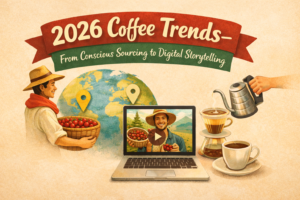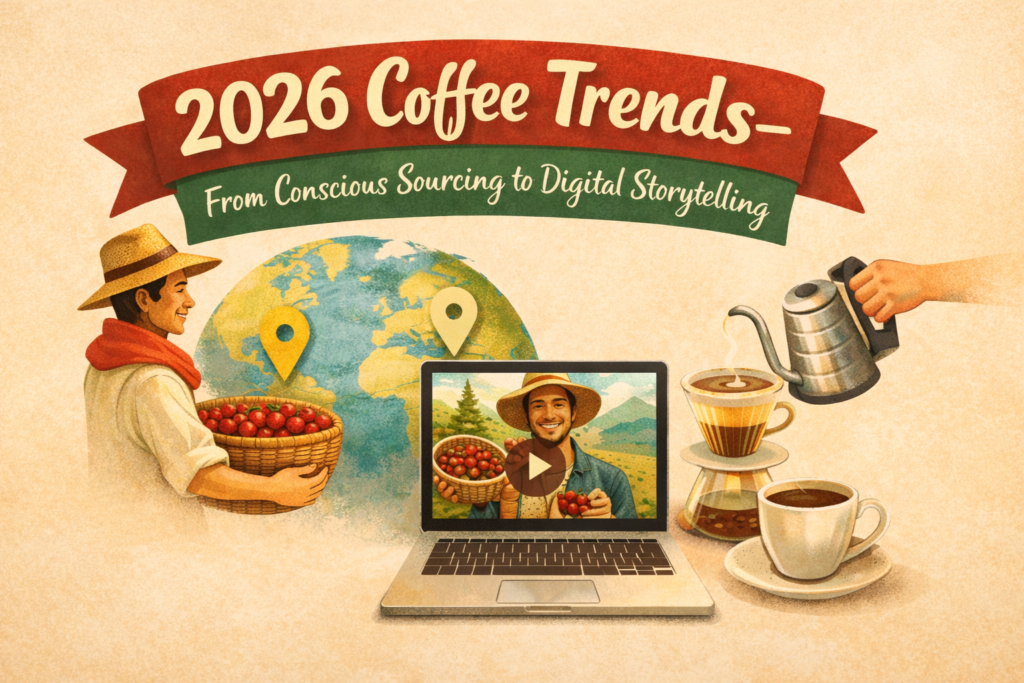
Coffee in 2026 is no longer just about flavor notes or caffeine strength.
It is about values, stories, and shared purpose.
Across the world, coffee drinkers are asking deeper questions.
Where did this coffee come from?
Who grew it?
How did it impact lives and land?
According to global consumer studies, over 65% of Gen Z and Millennial consumers prefer brands that align with their values, especially sustainability and transparency. Coffee brands that understand this shift are not just selling beans. They are building trust, memory, and long-term loyalty.
Here are the key coffee trends shaping 2026—globally and meaningfully.
1. Conscious Coffee Is the New Normal
Sustainability is no longer a buzzword.
It is an expectation.
Today’s coffee drinkers actively look for:
- Ethical sourcing
- Fair prices for farmers
- Transparent supply chains
Globally, nearly 70% of coffee consumers say they are willing to pay more for responsibly sourced coffee. Conscious consumption is no longer niche. It is mainstream.
What’s changing?
Single-origin coffees are gaining attention because they tell clear, traceable stories.
Example:
Regions like Araku (India) are being noticed for altitude, hand-picking practices, and farmer-led cooperatives—not just taste.
What this means for brands:
Transparency builds trust.
Storytelling builds loyalty.
Silence builds doubt.
2. Specialty Coffee Is Becoming Everyday Coffee
Specialty coffee has stepped out of cafés and into homes.
Globally, home coffee equipment sales have grown by over 30% in the last three years. French presses, pour-overs, manual brewers, and hand grinders are now common kitchen tools.
Consumers understand:
- Grind size
- Brew ratios
- Freshness
- Water quality
They are curious. They are learning.
Example:
Young coffee drinkers now learn brewing basics from Instagram Reels, YouTube Shorts, and creator-led content, not baristas alone.
What this means for brands:
Education is the new marketing.
Teach first. Sell later.
Knowledge creates confidence—and confidence creates loyalty.
3. Coffee Experiences Matter More Than Coffee Products
People remember how coffee made them feel.
Not how much it cost.
Globally, experience-based spending is growing faster than product spending, and coffee is no exception. Tastings, brew workshops, origin talks, and festivals are rising in popularity.
Example:
Coffee festivals, cupping sessions, and hands-on brew events help people connect emotionally with coffee and its journey.
What this means for brands:
Don’t just launch products.
Create moments.
Create memories.
Create meaning.
4. Community-First Coffee Brands Are Winning
In 2026, the strongest coffee brands feel like communities.
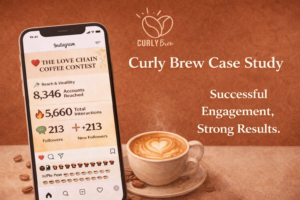
Brands that focus on interaction—comments, polls, brew challenges, and user stories—see higher engagement rates than brands relying only on polished advertisements.
Example:
Simple comment contests and user-generated content often outperform expensive ad campaigns.
What this means for brands:
Build conversations.
Invite participation.
Let your audience help shape your brand story.
5. Hyperlocal Coffee Is Going Global
Local coffee stories are no longer local.
They are traveling the world.
Regions once labeled “emerging” are now featured on global menus and specialty platforms. Consumers actively seek coffees with distinct origins and cultural context.
Example:
Southeast Asian coffees are gaining recognition for:
- Unique flavor profiles
- Indigenous farming methods
- Strong human narratives
What this means for brands:
Your local roots are not a limitation, they are your global advantage.
6. Digital Storytelling Is the Real Differentiator
In 2026, coffee brands will not compete only on taste but on attention too.
Short videos, behind-the-scenes stories, farmer features, founder journeys, and process explainers drive higher recall and emotional connection.
Studies show that brands using human-led storytelling see significantly higher engagement than product-only content.
Example:
A simple video showing a farmer’s harvest day often outperforms a perfectly styled product photo.
What this means for brands:
If you don’t tell your story, someone else will. And they may not tell it right.
Final Thoughts: The Future of Coffee Is Human
The coffee trends of 2026 point to one clear truth. Coffee is becoming deeply human again. From farmers to roasters to home brewers, the focus is shifting toward honesty, connection, and shared values.
Coffee is no longer just a beverage. It is a bridge between people, places, and purpose.
As coffee moves beyond the cup in 2026, what matters more to you—taste, the story behind it, or the impact it creates?